One undo is the fastest restart
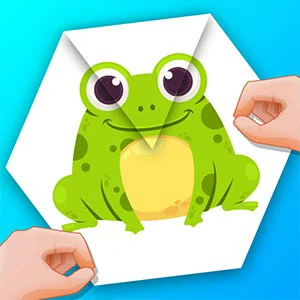
Paper Fold clears fastest when you fold the certain creases first and leave the risky ones until the picture has locked in. There is no clock, so a fast clear is a short sequence: read the fragments, resolve the obvious edges, undo once when you misjudge, and touch the finish.
Match fragments to the picture before you crease
Resolve the certain creases before the ambiguous ones
Every edge you identify without doubt is a free fold that builds the picture and shrinks the choices left. Fold those first, then look at the ambiguous edges with a smaller field to decide from. Resolving certainty early is what keeps the sequence short.
Fold the flap that buries your anchor last
Most runs stall because a useful fragment got covered too early. Identify the one detail you are reading the picture by - a corner, an eye, a distinct colour patch - and never fold the flap that covers it until the surrounding edges are already placed. The anchor stays visible until the end.
One undo is the fastest restart there is
Reaching for a restart in the menu costs more than a single step back. When a fold buries the wrong area, undo one move and re-check the visible section. A level near the finish keeps its progress even after two or three stepped-back folds.
A blank overlap means that fold belongs later
When a crease produces a fold that covers a blank or wrong patch, the sheet is telling you that edge comes too early in the sequence. Untie it with one undo, look at what it would hide, and place that crease after the section it covers is already settled.
Enter through LV1 and let the menu stay simple
The opening screen starts at LV1 with START, a Music toggle, and a Special level entry, so a fresh run begins from the regular sequence with the sound set the way you like it. The fewer on-screen choices, the faster the first fold.
Re-find the anchor when the picture stalls
If the image stops coming together, the anchor detail you started from got buried somewhere mid-sequence. Undo back to the last clean seam, locate the fragment you need to read by, and reroute the remaining folds around it - testing one edge at a time beats restarting the level.
Fixing a fold that buried the sheet
What input folds an edge in Paper Fold?
Click or tap an exposed foldable edge for each single fold; there are no keyboard or drag controls. An edge that refuses to fold is the game telling you a different crease must happen first, not that your input failed.
Why does my picture finish with a covered fragment?
One flap folded over a section the final image still needed, so the level cannot clear until that crease is rerouted. Undo back to that fold and place it later in the sequence, after the section it covers is already set.
What is the fastest order to fold in?
Start with the edges you can identify without doubt, leave the flap that hides your anchor detail until the end, and undo one step the moment a fold produces a blank overlap. Certainty first keeps the sequence short because every early fold is a correct one.
Is one undo enough after a bad fold?
Usually yes for a single misjudged crease - the sheet returns to the state before that choice and the rest of your progress stays intact. If the picture still looks wrong after one step back, undo to the last clean seam and re-read the fragments from there.
Identifying your anchor is the step most runs skip. Before folding anything, pick one distinct detail you will read the picture by, whether that is a corner, an eye, or a patch of colour, and trace which flaps would cover it. Folds that leave that detail visible can happen in any order; the one that buries it belongs at the very end. Runs stall most often because a useful fragment disappeared early, not because an edge was misjudged.
Certainty is the sorting rule for the whole sequence. Every edge you can place without doubt is a free fold that both advances the picture and removes options, so the later choices get easier as you go. Ambiguous creases belong in the second half of the run, once the field has narrowed enough to judge them against what is already in place. Working the other way round, guessing early and correcting late, is what makes a level feel longer than it is.
A blank overlap is the clearest signal the game gives, so it should end a line of thinking rather than start one. When a crease covers an empty or wrong patch, that edge simply comes too early in the sequence. Step back once, look at what the fold would hide, and place that crease after the section beneath it has settled. Testing one edge at a time from a clean seam is faster than restarting the level and losing the folds you already had right.