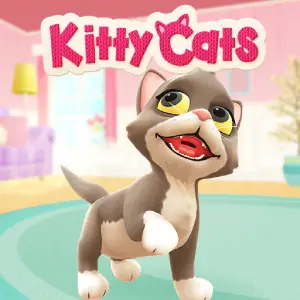
The wardrobe switch is a full stage
This is a one-input-per-need game, so a clean clear is a matter of never spending a tap twice on the same request. Each satisfied cat marks the step done and hands you the next one; the whole run is that loop done without guesswork.
Finish one request before starting the next
Select the cat first, because the opening move is a choice
The scene opens on a Pick your cat! decision, and the character you choose is the only one your inputs will serve. Make that pick, read its need, and only then reach for an item. The selection is the cheapest input of the run and the most easily wasted.
Treat the need indicator as the run's route
There is no hidden order to learn: the marker on the active cat is the whole route, one request at a time. Match one item to the symbol it shows, apply it to the highlighted spot, and the reaction tells you whether the step landed before you spend the next tap.
Apply one matching item per reaction window
The fastest run is one correct item per request, then a pause for the reaction. Repeating a finished activity costs a turn, and firing extra items at the same need just fills the scene with inputs the round is not asking for. One match, one wait, move on.
The cleared indicator is the go signal for the next tap
A satisfied reaction (the cat responds and its need marker clears) is the confirmation that the step landed. No reaction is the warning that the item does not match the need still showing, so read that symbol again before the next tap instead of stacking more attempts.
Budget the wardrobe switch as a full stage
When the request turns to style, the loop does not change but the source does: stop using care items and open the wardrobe the prompt points at. A style request is cleared by one matching outfit piece on the highlighted spot, so switching to the wardrobe early keeps the run from stalling on a mismatched item.
Bank the clear at a clean indicator to end the run
There is no fail state here, so the run's only cost is wasted time. The cleanest exit is right after an indicator clears and the next need is visible. Stop there and the scene resumes exactly where you left, with nothing half-applied and no reaction pending.
Care order and exact placements
How do I control Kitty Cats?
Tap items and characters to act, and drag food, toys, or care tools only when the scene asks for placement. Most actions answer a single tap, so apply the item once and wait for the cat's reaction before tapping anything else.
Why does an item work for one cat but not another?
Each scene assigns a different need, and an item only counts when it matches the requirement of the cat you selected. Read the active marker, confirm the character, then apply one matching item to the highlighted spot.
What counts as a finished request?
A finished request is a response: the cat reacts and its need indicator clears. Until that happens the step is still open, so the fastest thing is to re-check the symbol and apply the matching item once, not to keep tapping.
Why is the cat selection the first move?
Because every later input is judged against the character you picked. Open the Pick your cat! screen, confirm the choice, and the rest of the run is simply answering that one cat's marked needs in order.
The gap between requests is where a tidy run is won. Once an indicator clears, read the next need before you touch anything, then apply one matching item and wait again. A player who keeps tapping through that pause is not going faster, because the reaction has to finish before the next step counts anyway. Let the scene tell you the previous step landed rather than acting as though it did, and the following request arrives with a clean board to read.
The style stage usually catches people because they keep reaching for care items after the request has changed. When the prompt points at the wardrobe, the loop is identical but the source of the answer is not. One matching outfit piece on the highlighted spot closes the step, exactly as a care item would, and switching over as soon as the request turns saves the time a mismatched item would otherwise cost. It is the point where the run most often stalls.