The first bump buys the lead
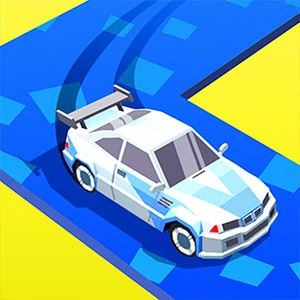
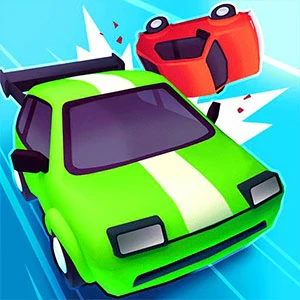
Road Crash is a short race against a field of about fifteen cars, and the quick line through it is not the tidy one. Contact with rivals is rewarded with a speed burst rather than punished, so a fast run means spending that mechanic where it buys places and steering a straight line everywhere else.
Bump the pack to climb the order faster
Spend your first contact early
Starting at the back of the field, the first boost is the cheapest one you will get: there is nothing behind you to lose and everything ahead of you to gain. Taking deliberate contact in the opening seconds moves you up the order faster than any amount of careful weaving.
Boosts are worth places, not speed
The readout that matters is your position among the field, and the same contact is worth far more near the front than at the back. Judge every risky move by how many cars it puts behind you, and skip the contact that only adds pace without changing your place.
One lane change per gap, never two
Each crossing costs a moment and exposes you to side contact on the way through. Committing to a single well-read lane change keeps the run stable, while correcting mid-move doubles the exposure and usually drops you into the car you were avoiding.
Read two cars ahead, not one
The field is dense enough that the vehicle immediately in front is rarely the one that decides your line. Watch the pair ahead, move into the lane their movement is opening, and your input arrives before the gap closes rather than after.
Treat traffic as fuel
An empty stretch of road is fast-looking and slow in practice, because nothing there gives you a boost. The crowded lanes are where the run actually gains, so aim for the dense part of the field once your position is worth defending.
Hold the line once you are ahead
Weaving in front of the field costs places rather than gaining them, since every crossing offers a fresh chance of side contact that no longer buys you anything. Once the readout stops improving, the quickest remaining move is to stay put.
Read the start before you pick a line
The opening moments are the only part of the run where the whole field is still in front of you and nothing behind you can be lost. Use them to find the nearest car you can reach without a long crossing, and take that contact while the pack is still bunched. Waiting for a tidier gap usually means the field has already spread out, and the cheap boosts are gone by the time you commit.
Bump on the straight, hold through the narrow part
Contact that buys places is worth taking when the road gives you room to recover afterwards. In a tight section the same hit costs you a stable line and a moment of lost control for a gain you may not keep. Read the road as well as the cars: the place where the field is densest is also the place where you should be sure you can afford the hit before you take it.
Do not trade a place for a moment of speed
A boost that only makes you faster without moving you up the order is a cost with no return, because the run is scored on where you finish among the field rather than on how quick the car looks. If a hit cannot put a car behind you, the same input is better spent holding a lane that keeps your place. Judge every contact by the readout, not by the sensation.
When empty road is slower
What is the fastest way to move up the field?
Use contact deliberately and early. The game rewards hitting rivals with a speed burst, so a driver who spends those hits at the back of the order gains places far faster than one who tries to stay clean and weave through gaps.
Is a clean run faster?
No. Avoiding all contact removes the only speed source the game gives you, so a spotless drive tends to finish further down the order than one that takes the hits it has already earned room to take.
How should I handle a crowded lane?
Move into it rather than around it. Dense traffic means frequent boosts available, and position is what the run is scored on, so the busy part of the field is where the places are.
What should I watch while driving?
Your place in the order and the two cars ahead. The position readout tells you whether the run is still improving, and the pair further forward tells you which lane is about to open before the gap arrives.